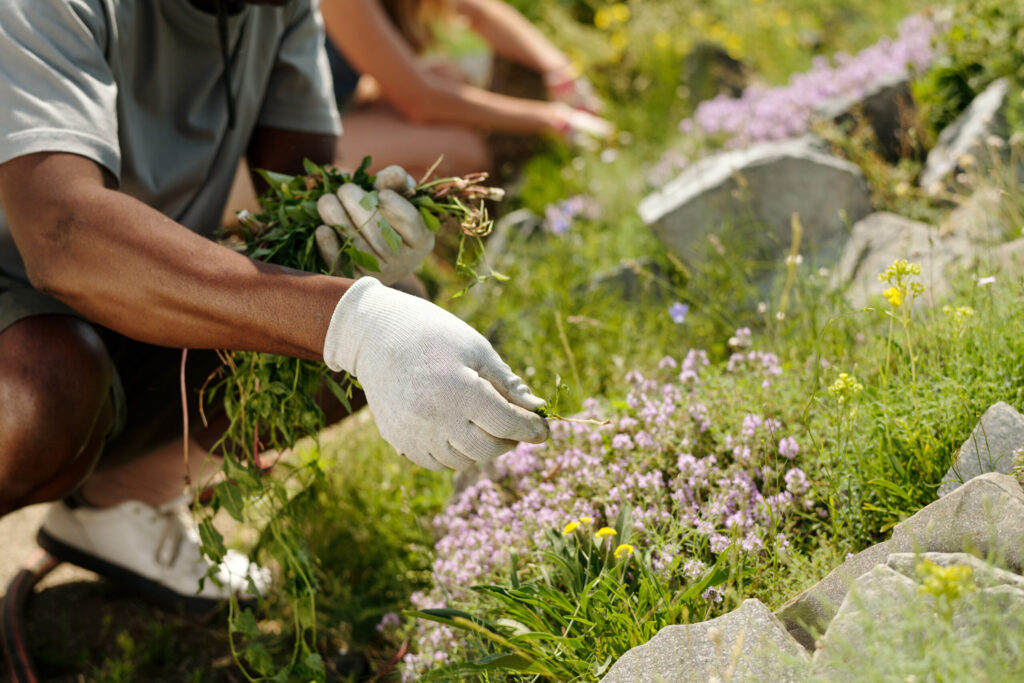
Every gardener has lived this moment. It’s a soft April morning, the soil has finally warmed, and you’re crouched in the bed you spent half of last summer fussing over. A small green rosette is unfurling near the back corner. You stare. You squint. You try to remember.
Did I plant that?
It might be the lupine you tucked in last June — the one you nearly gave up on by August. Or it might be a particularly ambitious weed that’s about to colonize the hosta. Pull the wrong thing and you’ve thrown away a year of patience. Leave the wrong thing and you’ve invited a guest who never leaves.
This is the central problem of any garden that grows beyond a few tomatoes: we forget. Not because we don’t care, but because gardens move slowly. The bed you planted in May won’t fully reveal itself until next May. Memory simply isn’t built for that kind of lag.
The good news is that staying organized in the garden has very little to do with being naturally organized. It has everything to do with picking a system you’ll actually use, and putting things into it the day they happen — not the week, the season, or the year afterward.
Why memory keeps letting us down
Most gardeners overestimate how well they’ll remember what they planted, and underestimate how much they’ll plant. A typical season includes a few intentional purchases from a favorite nursery, several impulse buys at the box store in May, a couple of pass-along divisions from a neighbor, seeds started indoors, seeds direct-sown, and — if you’re lucky — a few volunteer surprises from last year’s plants going to seed. By July, even a careful gardener can struggle to name everything in a single bed.
There are three places this hurts most:
The first is in spring, when emerging shoots all look alarmingly similar. The second is when something dies and you want to either replace it or note that the variety failed in your conditions. The third is two or three years in, when you finally want to do something thoughtful — extend a bloom sequence, plan a color story, rotate vegetables properly — and you realize you don’t have the data to do it.
Tracking what you plant solves all three at once.
The old guard: notebooks, tags, and maps
Before anything digital, gardeners kept records the way naturalists did: in a journal. There’s still a strong case for this. A leather-bound garden notebook, used consistently, becomes one of the most valuable objects you own. You can sketch a bed in two minutes, jot a variety name, note that the Cornus mas opened on March 14th this year — eleven days earlier than last year. The act of writing things down makes you notice them.
The catch with journals is the same as it’s always been: they only work if you carry one and use it. Many a beautiful gardening notebook lives mostly empty in a drawer because the gardener was, reasonably, covered in mud at the moment they had something to record.
Plant tags — the little plastic or metal stakes — are the next traditional layer. A good tag, written in pencil or paint pen, can survive a season or two. The trouble is that tags fade in UV light, get tossed by squirrels, sink into mulch, and somehow always disappear from the plant you most needed to identify. Metal tags last longer; copper ones last decades, but cost more than the plants. They work best as a backup, not a primary system.
Hand-drawn maps are wonderful for permanent plantings. A simple bird’s-eye sketch of a perennial border, with each plant numbered and a key underneath, can serve you for years. For vegetable beds, a fresh map each spring lets you see at a glance whether you’re rotating families properly. The trick is keeping the map somewhere you’ll actually look at it again — which, increasingly, means a phone.
The phone is already in your hand
Most gardeners now have a powerful tracking tool in their pocket they’re not really using. A smartphone takes time-stamped, location-stamped photos. The problem isn’t the technology. It’s the structure. Three thousand garden photos in one camera roll, sorted only by date, is essentially the same as no records at all — you can’t find anything when you need it.
The simplest upgrade is to create a single album per garden bed and drop photos into it as you plant, as things emerge, and at peak bloom. Even this minimal effort puts you ahead of ninety percent of gardeners. You’ll be able to scroll back, see the tag from the nursery you photographed when the plant went in, and know exactly what’s coming up.
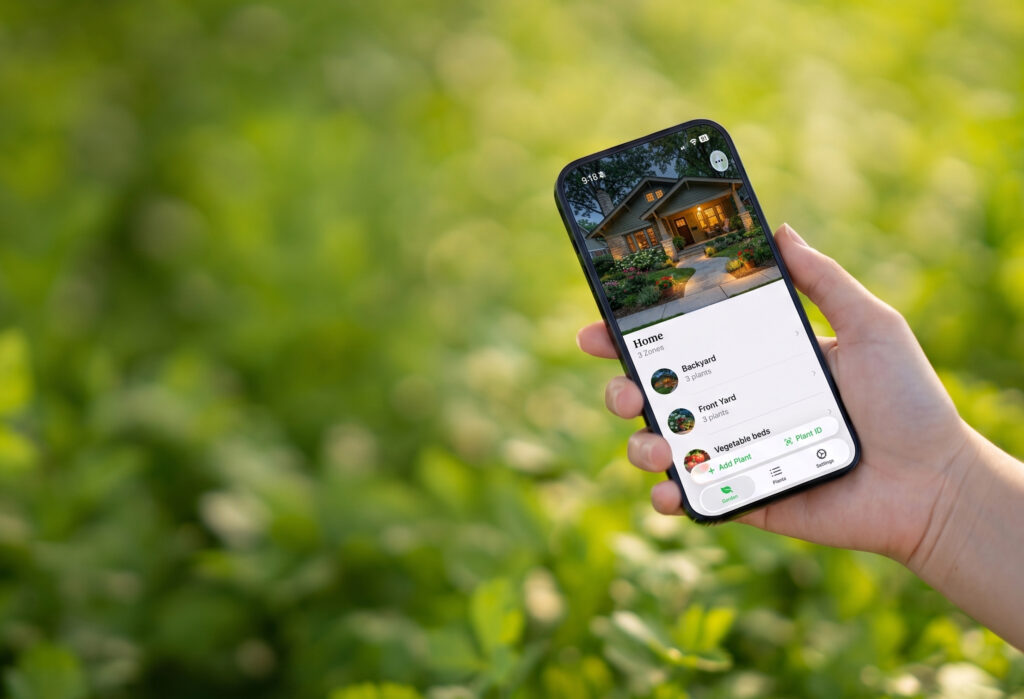
If you want more structure than albums can give you, this is where a dedicated app starts to earn its place. GardenKeeper was built around exactly this problem — organizing plants by property, by garden zone, and by bed, so that when you’re standing in front of that mysterious green rosette in April, you can pull up the bed, see what was planted there, and know in five seconds whether to weed it or water it. Photos, planting dates, and notes stay attached to the plant rather than scattered across a camera roll. The advantage isn’t the technology itself; it’s the structure that makes the technology useful a year later, when you need it.
Whatever tool you choose — paper, photos, an app — the underlying habit is the same: capture it the moment it happens, and store it where you can find it by location, not by date.
Tracking by garden type
Different gardens need different kinds of records. A few common cases:
The vegetable garden. Here, what matters most is rotation, variety, and timing. Tomato families shouldn’t return to the same bed for at least three years. Knowing that Sungold outproduced Sweet Million in your conditions is the kind of insight you’ll only have if you wrote it down. A simple seasonal map for each raised bed, plus a one-line note on each variety at season’s end, is plenty. If you grew it, name it; if you’d grow it again, star it.
The perennial border. This is where the most heartbreaking mistakes happen. Perennials emerge slowly, often weeks after the weeds get going, and many of them — bee balm, asters, milkweed, baptisia, lupine — look weedy in their juvenile stage. A clear map of what’s planted where, plus photos taken at peak bloom from year one, will save you from accidentally yanking a three-year-old echinacea you mistook for an interloper. (More on the weed-or-friend problem in a moment.)
The shade garden. Hostas, hellebores, ferns, brunnera, epimedium, Solomon’s seal — many shade plants have similar foliage at a glance, especially when young. Cultivar names matter here, too. Hosta ‘Sum and Substance’ and Hosta ‘Frances Williams’ will look identical in mid-April. If you care which is which, write it down before they emerge.
Container gardens. The single most overlooked category. A patio with twenty pots can hold thirty or forty different plants, most of them annuals, replaced and rearranged every year. Without records, you’ll buy the same disappointing variety three years running because you forgot you’d already tried it. A quick photo of each pot at planting, with a note on what’s in it, is usually enough.
The pollinator or native garden. Many natives self-seed enthusiastically, which is part of the point — but it also means next year’s garden won’t look exactly like this year’s. Tracking what was where, and where its babies showed up, turns chaos into something legible.
The weed-or-friend problem
This deserves its own section, because it’s the single most common situation in which gardeners wish they’d kept better records.
A few classic examples:
Common milkweed (Asclepias syriaca), which monarchs depend on, has thick, paired leaves on a single stem. New gardeners pull it constantly because it looks aggressive. It is — but it’s also exactly what you wanted, if you planted a pollinator garden.
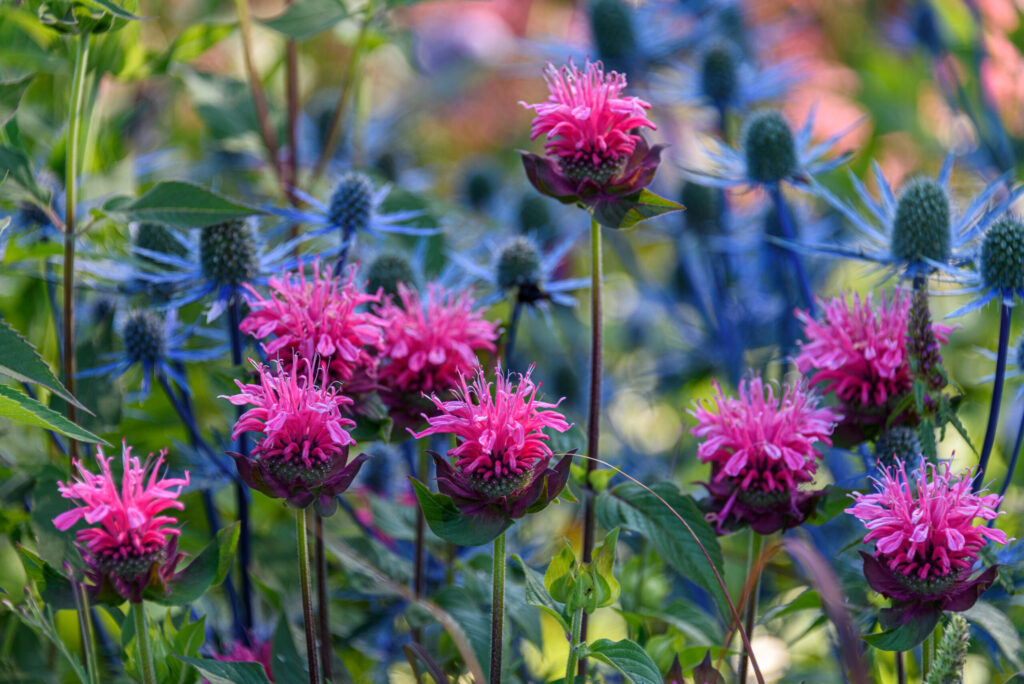
Bee balm (Monarda) emerges in early spring as small, square-stemmed shoots with opposite leaves and a faint mint smell when crushed. Crushed mint smell, square stem, opposite leaves — that’s the mint family. If you planted bee balm there last year, that’s almost certainly what you’re looking at.
Self-seeded annuals like larkspur, nigella, and California poppies often appear in tidy little patches the spring after you grew them. They look like weeds. They are not weeds. If your record shows you grew larkspur in that bed last summer, leave the seedlings alone for a few weeks and see what they become.
New perennials in year two are the trickiest. A first-year coneflower might be a single rosette of leaves, easily mistaken for a dandelion relative. By year two, it’ll be a respectable clump. The records you kept last year are the only thing standing between you and a hasty pull.
The simple test: before pulling anything in spring, check your notes. If something was planted in that spot within the last two years, give it a few weeks to declare itself. A plant you’re unsure about almost never causes harm in two more weeks; a plant you mistakenly pull is often gone for good.
The habits that actually stick
The best system is the one you’ll keep up with, and the difference between gardeners who track their gardens and gardeners who don’t usually comes down to two small habits.
The first is capturing in the moment. The second the plant goes in the ground — before you wash your hands, before you make tea — log it. A photo of the nursery tag, the location, and the date. This takes less than a minute. Anything you put off until later, you won’t do.
The second is the walk-through. Once a week in the growing season, take ten minutes to walk every bed with your phone or notebook. Note what’s in bloom, what looks unhappy, what’s emerging. This is when most of the useful observations get made — and it’s also when problems are caught early enough to do something about them.
A garden journal app like GardenKeeper makes both habits easier mostly by reducing friction: tap the bed, add a plant, attach a photo, done. But the habit matters more than the tool. A gardener with a five-dollar notebook and good discipline will know their garden better than one with the best app in the world and no follow-through.
Your garden, in conversation with itself
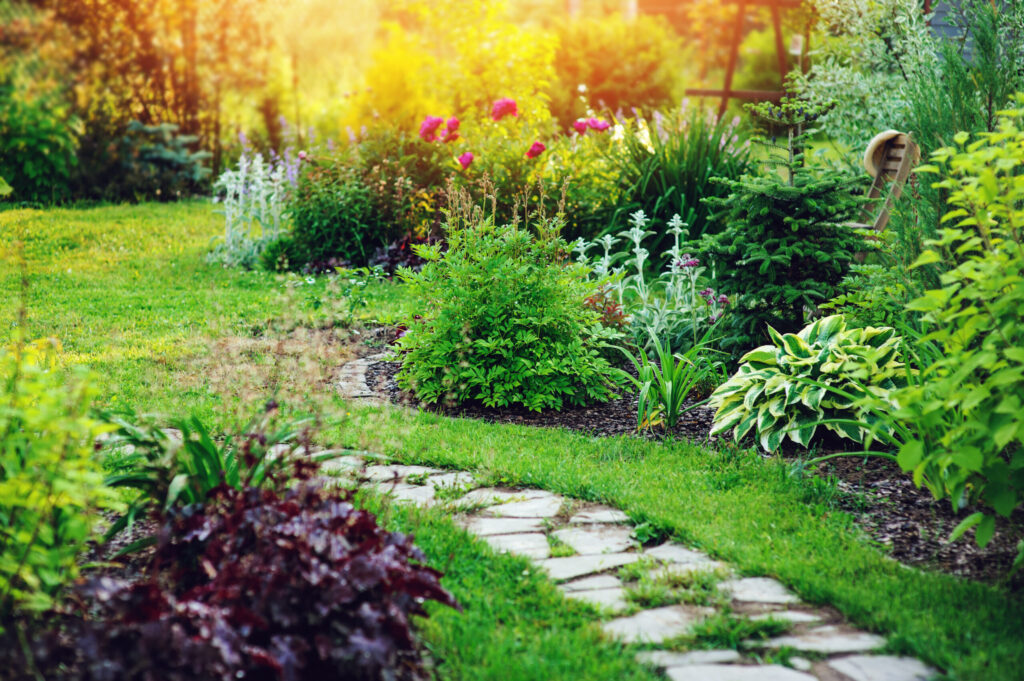
A well-tracked garden is, in the end, a long conversation with yourself across years. The notes you take this April will save next April’s version of you a great deal of guessing. The photos you take this June will tell you, three Junes from now, that yes, the Geranium ‘Rozanne’ really did spread that much, and yes, you really did plant the goldenrod by the fence on purpose.
You don’t need to track every leaf. You need to track enough to recognize your own work when you see it. Whether that lives in a leather journal, a spreadsheet, a phone album, or an app you open every Saturday morning — pick one, start small, and start now. The garden will remember everything you tell it.